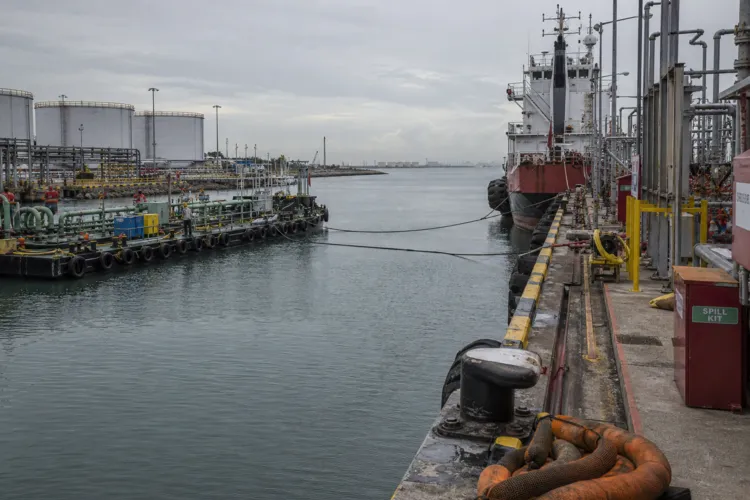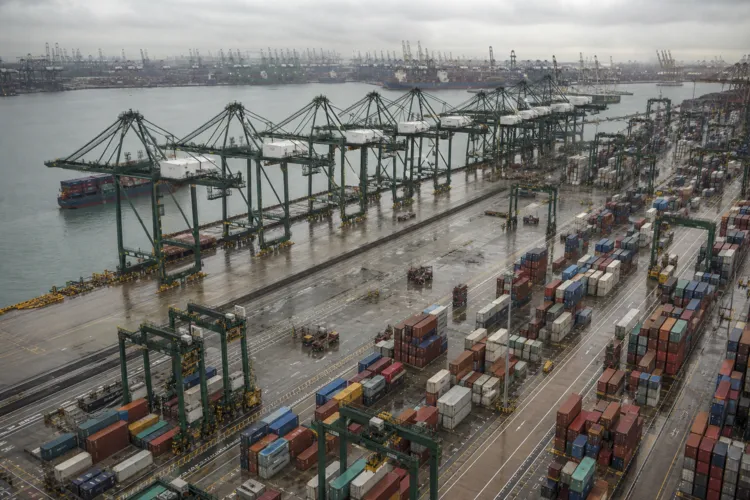

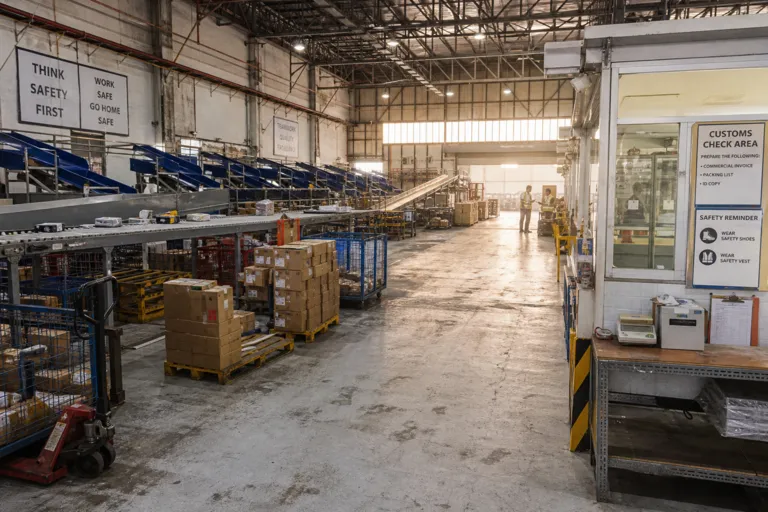
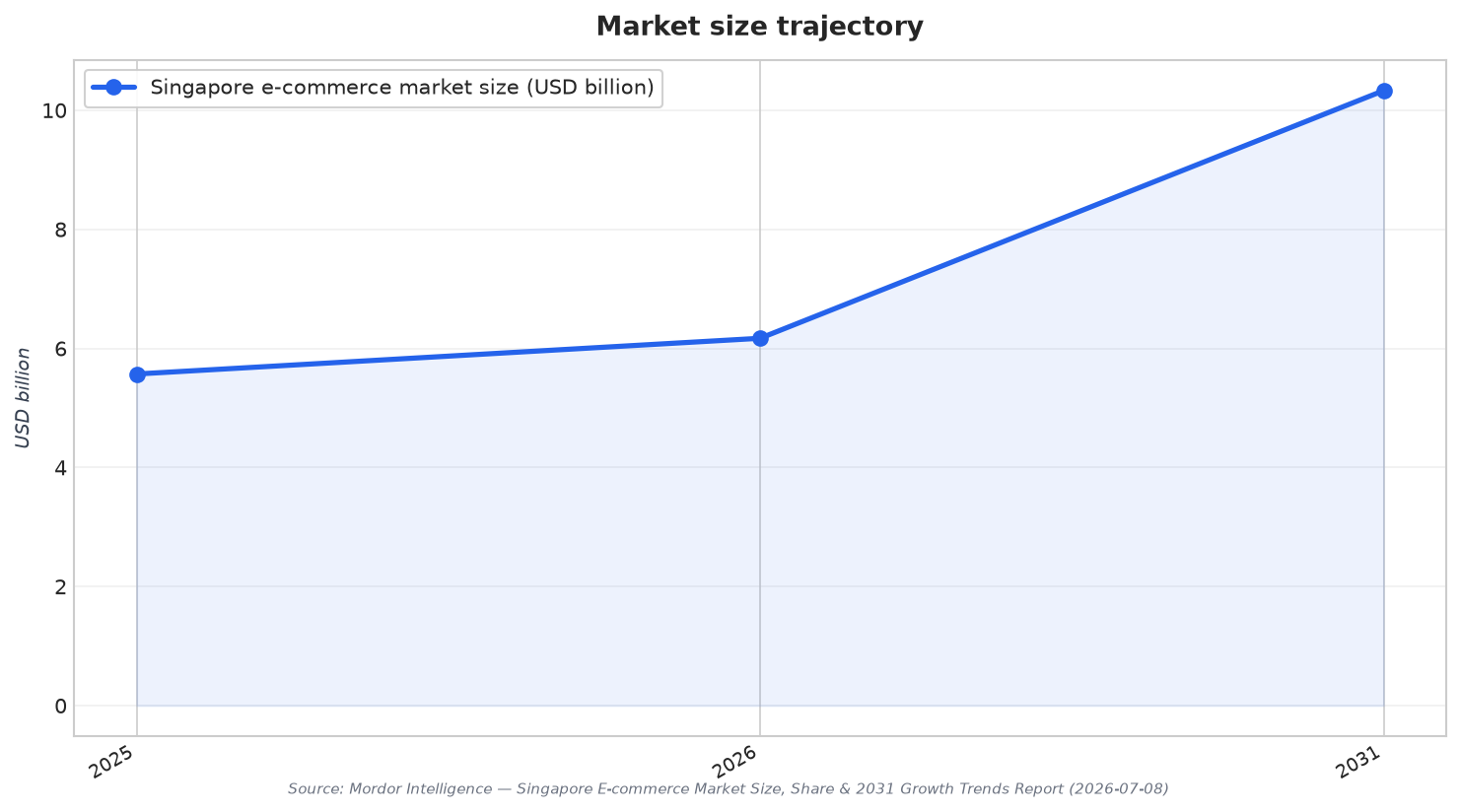
Singapore’s e-commerce demand is accelerating, and logistics is feeling it first. GlobalData, cited by Retail Asia, says Singapore’s ecommerce market is set to grow 17.7% in 2026, reaching US$31b (SG$40.5b). Other market trackers frame the opportunity very differently, which matters for planning fulfilment capacity: Mordor Intelligence estimates the Singapore e-commerce market size at USD 6.17 billion in 2026 (up from USD 5.57 billion in 2025), while MarkWide Research values the market at $11.4 billion in 2026. Even with inconsistent size estimates across sources, they point to the same operational reality: networks are being asked to process more orders, more quickly, with less tolerance for error.
What makes this pressure distinctive is the channel mix. Mordor Intelligence reports that smartphone apps represented 77.58% of B2C transactions in 2025, and also notes mobile apps secured 78.13% of online orders in 2024. That mobile-led behavior pushes fulfilment toward immediacy, because purchasing is always-on and impulse-friendly. It also coincides with shifting payment behavior. Mordor says mobile wallets captured 45.12% share of the Singapore e-commerce market size in 2025, and that mobile wallets overtook credit cards in 2024, capturing 45% of transactions. Faster checkout and higher purchase frequency can translate into sharper peaks for pick-pack, sortation, and last-mile handoffs.
Why “Faster” Delivery Becomes a Network Design Problem
Multiple sources describe how speed expectations are shaping physical operations. IMARC points to “highly developed warehousing networks, automated fulfillment centers, and strong last-mile capabilities” that support same-day and next-day delivery expectations. Verified Market Research similarly states that consumers demand fast, flexible delivery, often expecting same-day or next-day fulfillment. This is where Singapore e-commerce fulfilment logistics 2026 becomes less about individual warehouses and more about end-to-end orchestration: inventory placement, cut-off times, carrier allocation, and return flows all have to work together. MarkWide adds a cross-border dimension, saying cross-border fulfillment demand from Singaporean platforms is driving warehouse investments in Johor Bahru and Port Klang, and that the Iskandar Malaysia special economic zone hosts last-mile distribution centers serving same-day delivery commitments to Singapore consumers.
Growth is also coming from B2B digitalization, which changes order profiles and compliance needs. Mordor Intelligence says B2C accounted for 87.65% revenue share in 2025, while the B2B segment is advancing at a 12.31% CAGR through 2031. Mordor also links “mandatory Peppol-based e-invoices” to B2B marketplace momentum, and notes that government-led invoicing reforms and same-day fulfillment investments are among the forces accelerating platform revenues. IMARC reinforces this trajectory, highlighting SME procurement digitalization driven by IMDA’s Nationwide E-Invoicing Network and integrations. For fulfilment operators, that can mean more scheduled replenishment, more document-driven workflows, and tighter service-level agreements alongside consumer parcel volume.
Social commerce and live selling add another layer of volatility to fulfilment. Retail Asia notes interactive livestream shopping is emerging as a major growth channel, naming TikTok, Shopee Live, Lazada Live, and Facebook Live, and adds that DBS launched live selling workshops for SME clients in April 2025 with partners including TikTok and Boom Media. Mordor Intelligence says shoppers have gravitated toward live-stream content, while OpenPR describes a pivot toward influencer-led live commerce integrated into major platforms. From a logistics lens, these campaigns can create sudden demand spikes that stress same-day operations. When combined with Mordor’s note on elevated scam activity and compliance costs nudging operators toward heavier fraud-analytics outlays, the fulfilment challenge in 2026 is not only speed, but resilience under surges and tighter controls.
How fast is Singapore’s e-commerce market expected to grow in 2026?
How dominant is mobile in Singapore online shopping?
What do the sources say about delivery expectations and fulfilment capacity?
How is cross-border activity influencing fulfilment linked to Singapore?
What is changing in Singapore e-commerce fulfilment logistics in 2026?