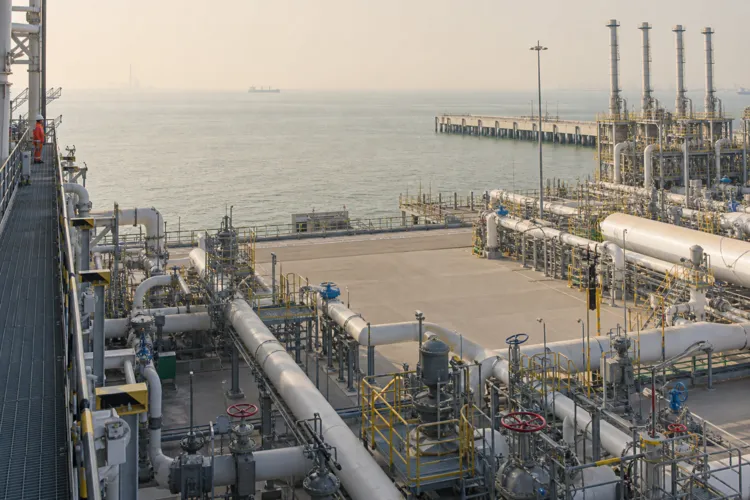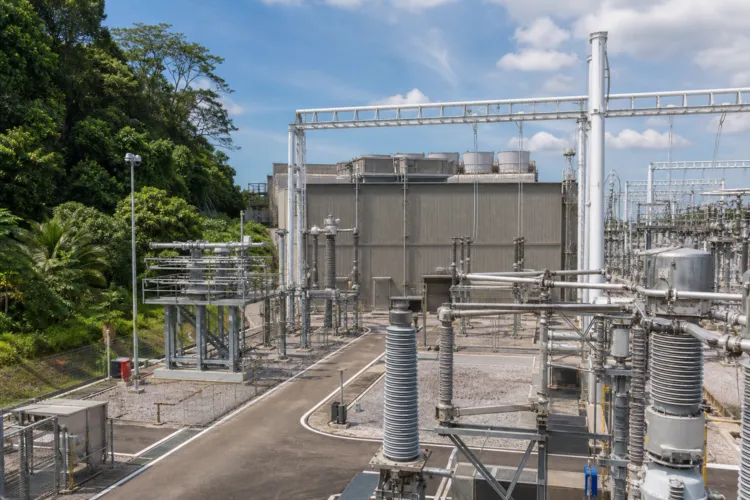

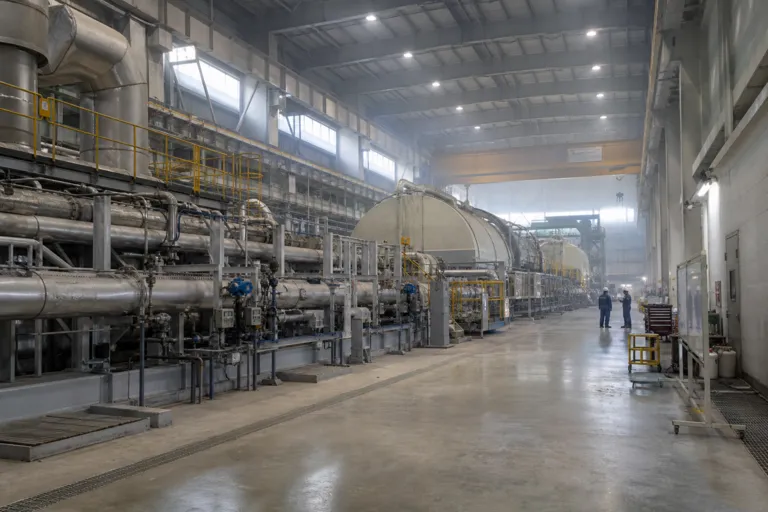
Keppel Ltd. has commenced commercial operations at the Keppel Sakra Cogen (KSC) Plant, described by Keppel as Singapore’s first hydrogen-compatible combined cycle power plant. The facility is a 600MW combined cycle gas turbine (CCGT) plant, and Keppel says it strengthens its strategic position in Singapore’s power market as demand rises and the focus on energy security and resilience increases. For readers tracking the Keppel Sakra Cogen hydrogen-ready power plant story, the main takeaway is practical: it is already operating commercially, it is fully contracted for 2026 and 2027, and it is built around fuel flexibility that can evolve as hydrogen supply chains mature.
On capacity alone, KSC is material for Keppel’s Singapore footprint. Keppel states the 600MW plant increases its power capacity by about 45%. With Keppel Merlimau Cogen Plant, Keppel now has up to 1,900MW of power capacity, and this is supplemented by up to 200MW of imported low-carbon power via the Laos-Thailand-Malaysia-Singapore Power Integration Project. Keppel also says KSC uses best-in-class combined-cycle gas turbine technology to provide reliable and more efficient baseload power compared to the existing installed fleet in Singapore, while retaining the flexibility to switch to fuel oil.
What “Hydrogen-Compatible” Means in Practice
KSC’s hydrogen design is specific. Keppel says the plant is capable of co-combusting up to 30% hydrogen with natural gas at the onset. It currently runs on natural gas, and it can be modified to run entirely on low-carbon hydrogen as supply chains mature over time. Another report notes it can be modified to operate on higher hydrogen blends, including full hydrogen, as supply infrastructure develops. This matters for grid planning because it links today’s dispatchable CCGT operations to an upgrade path, rather than relying only on a later, separate build-out.
Keppel positions the plant as a reliability and transition asset at the same time. Cindy Lim, CEO of Keppel’s Infrastructure Division, said the timely addition of advanced, high-efficiency and hydrogen-compatible generation capacity strengthens Singapore’s energy security and system resilience amid growing electricity demand driven by digitalisation, AI and industrial growth. Energy Market Authority Chief Executive Puah Kok Keong also said combined cycle power plants provide a reliable source of power for Singapore during the transition towards cleaner energy sources, and that expanding power generation capacity is important to meet the growing energy needs of the economy.
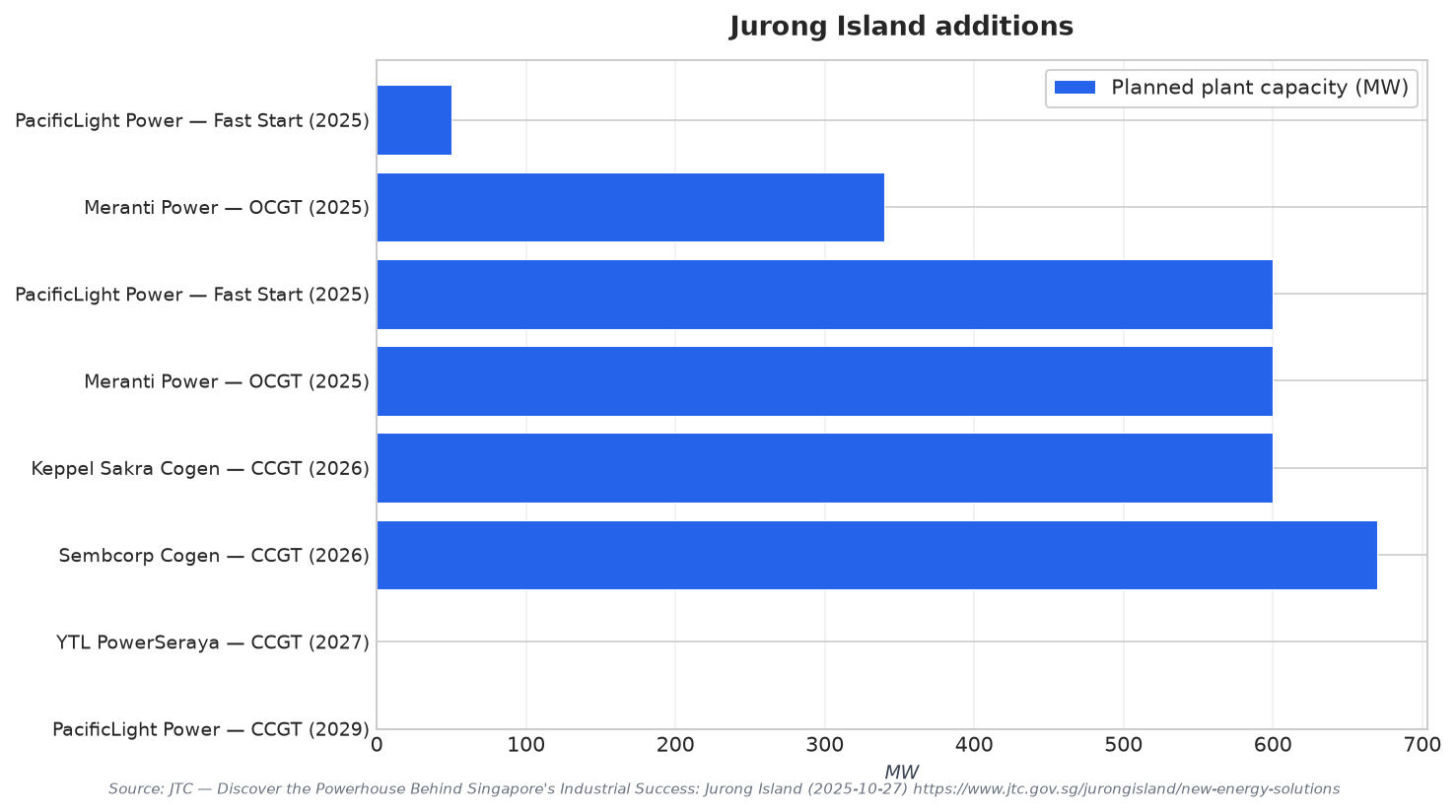
Commercial and financial structure details also signal how this capacity is being brought to market. The Sakra Cogen Plant is reported as 70% owned by Keppel Asia Infrastructure Fund and 30% owned by Keppel, and it is fully contracted for 2026 and 2027, which Keppel says is expected to bolster recurring income. One report adds that construction was previously awarded under a roughly $750m engineering, procurement and construction contract in 2022. In parallel, Jurong Island context points to a pipeline of power plant additions in different years, with KSC listed as a 600MW CCGT plant in 2026.
What is the capacity of Keppel’s Sakra Cogen Plant?
How does the Sakra Cogen Plant change Keppel’s power capacity in Singapore?
How much hydrogen can the plant co-combust at the start?
Can the Keppel Sakra Cogen hydrogen-ready power plant run on full hydrogen later?
Is the Sakra Cogen Plant contracted for output?