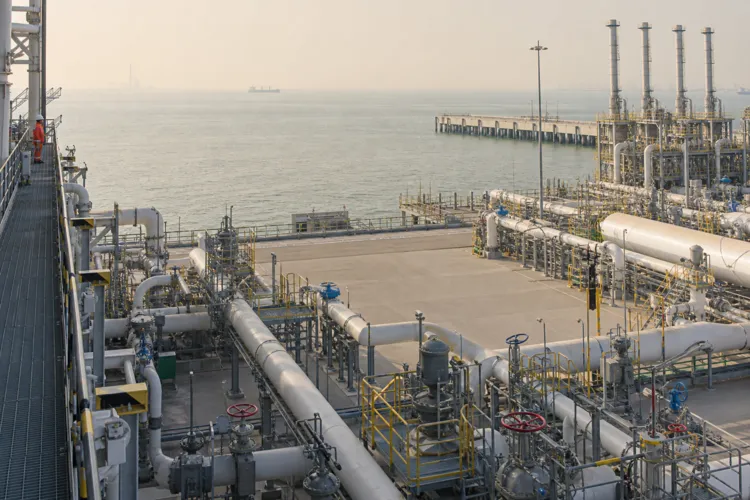

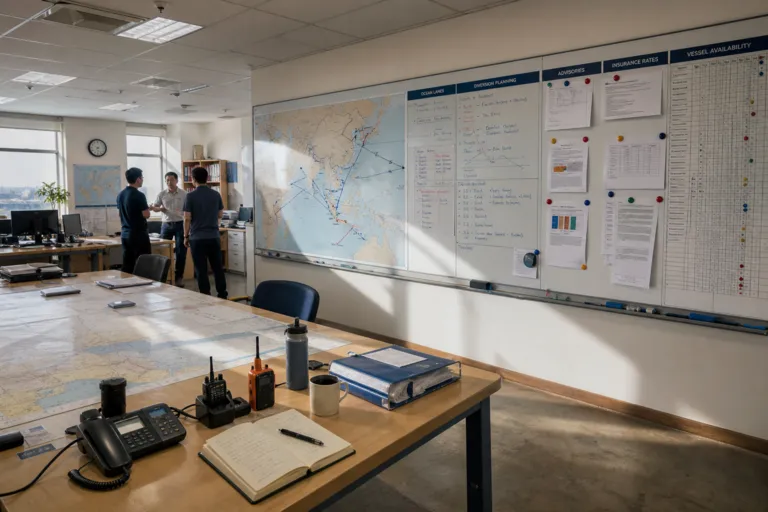
In 2026, Singapore’s trade-dependent model is being tested by what one analysis calls a “dual blockade” of the Strait of Hormuz and the Red Sea. The immediate risk is not only delays, but a compound shock: surging energy costs and supply chain disruptions that raise operating costs and inflation pressure. Singapore is described as a major oil importer with 55% of its crude coming from the Middle East, making the economy sensitive to disruptions that lift fuel, electricity, and logistics costs. The same stress shows up in logistics execution, as carriers suspend services, insurance premiums rise, and shippers confront unpredictable schedules.
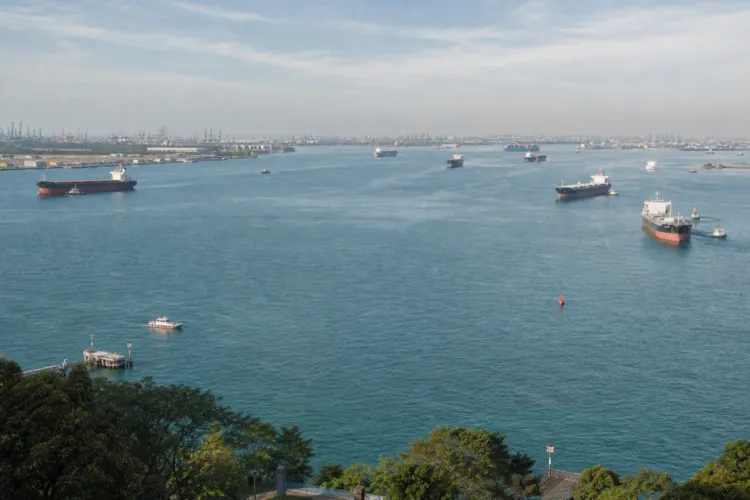
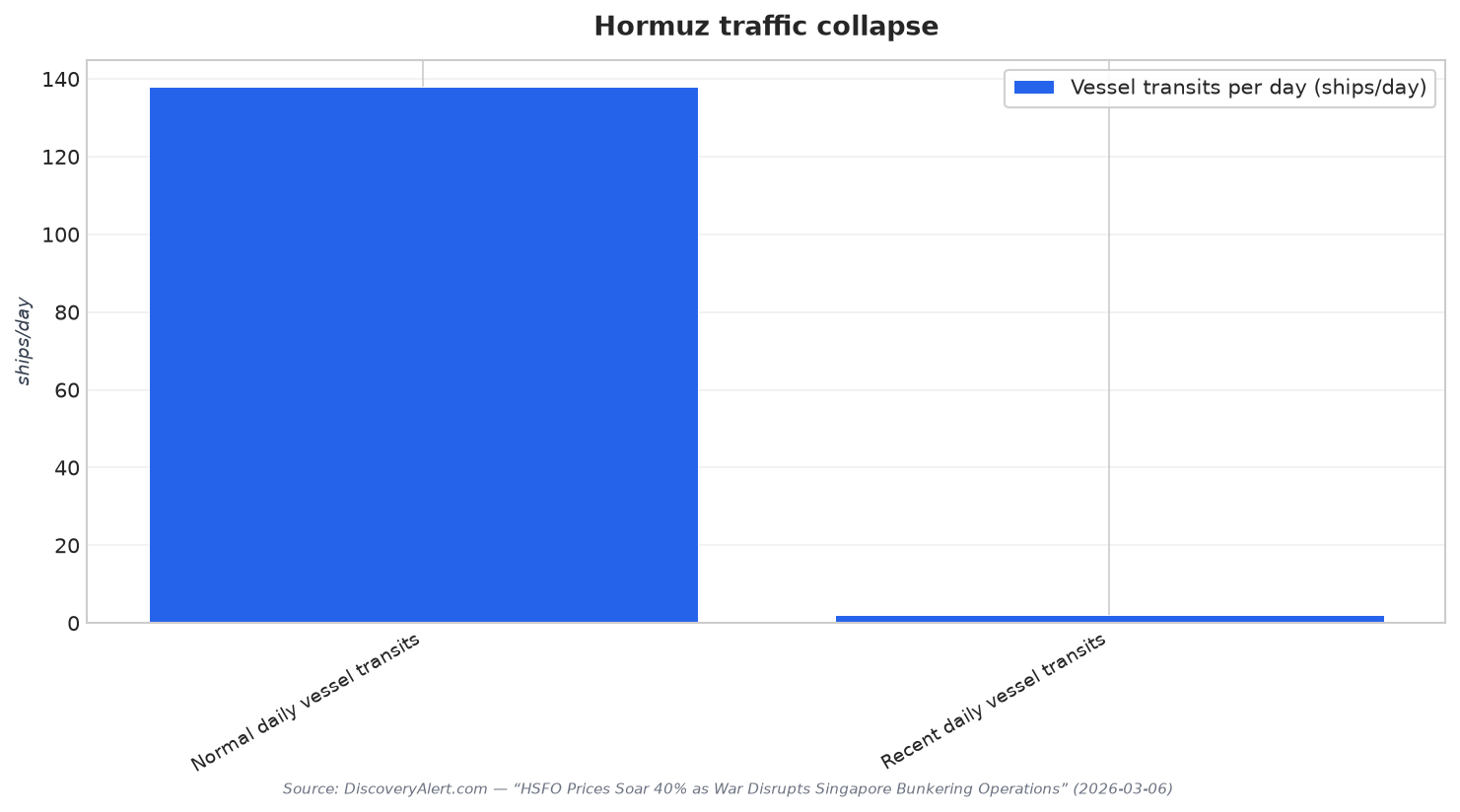
The Hormuz disruption is extreme in the sources. After strikes beginning on 28 February 2026, vessel traffic through the Strait of Hormuz dropped by as much as 94%, with over 150 tankers anchored outside the Gulf. Another monitoring snapshot describes transits falling from 138 ships daily to just 2 vessels, a 98.6% reduction. With so many ships unable or unwilling to pass, rerouting becomes the default response. Major carriers are diverting vessels around the Cape of Good Hope, adding 10 to 14 days to transit times, while alternative ports such as Jeddah and Salalah face severe congestion.
Why the “Long Way Round” Reshapes Capacity, Costs, and Planning
Longer routings change supply chains even when nothing “breaks” at the factory. One logistics estimate cited in the sources says the extra 14 days around the Cape of Good Hope effectively removes about 10-15% of global shipping capacity because ships are tied up longer on a single voyage. That reduction collides with higher risk pricing. War risk insurance premiums for the region are described as surging, in some cases by more than 1000%, and elsewhere as rising 200-400% for certain routes. For Singapore-linked flows, this means higher landed costs, tighter container availability, and harder trade-offs between speed and budget.
Energy and industrial inputs are also part of the same rerouting story. The Strait of Hormuz is described as carrying around 30% of global seaborne oil trade and roughly 20% of LNG flows each day, though another source frames it as approximately 20% of the world’s seaborne oil and about one-third of globally traded LNG. In 2024, roughly 84% of crude oil and 83% of LNG moving through Hormuz was destined for Asian markets. For Singapore specifically, one source states more than 70% of its oil came from the Middle East in 2025, and 45% of its LNG imports came from Qatar alone, highlighting why shipping instability translates into procurement and production risk.
Companies and governments are responding by shifting from pure efficiency to resilience. Oxford Business Group notes that the region’s supply chain reconfiguration pre-dated the crisis, with global FDI inflows to ASEAN reaching a record $226bn in 2024, an 8% annual increase, even as global FDI fell by an estimated 11%; ASEAN exports expanded by about 7% in 2024 versus global merchandise trade growth of roughly 2-3%. In 2026, firms are adding route diversification, buffer stocks, and hybrid logistics, including sea-air options for time-sensitive cargo. Interest is also rising in alternative corridors, including a Central Asian route via Turkmenistan and Azerbaijan to Turkey and onward to Europe. Against this backdrop, the keyword topic—Singapore shipping reroutes, Hormuz and Red Sea disruption, and the supply chain realities of 2026—has become less about a temporary detour and more about a structural reset in planning.
How severe is the Strait of Hormuz traffic drop described in 2026?
How much extra time do Cape of Good Hope reroutes add?
What does the longer voyage do to effective global shipping capacity?
Why is Singapore especially exposed to Middle East disruption?
How are Singapore shipping reroutes from Hormuz and the Red Sea changing the supply chain in 2026?