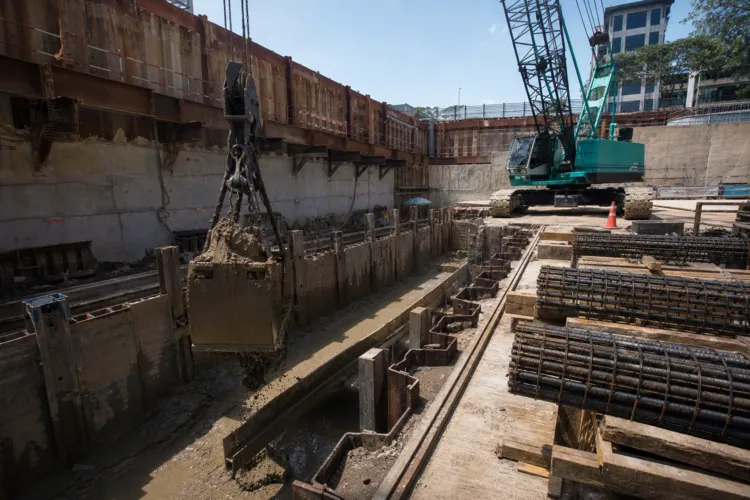

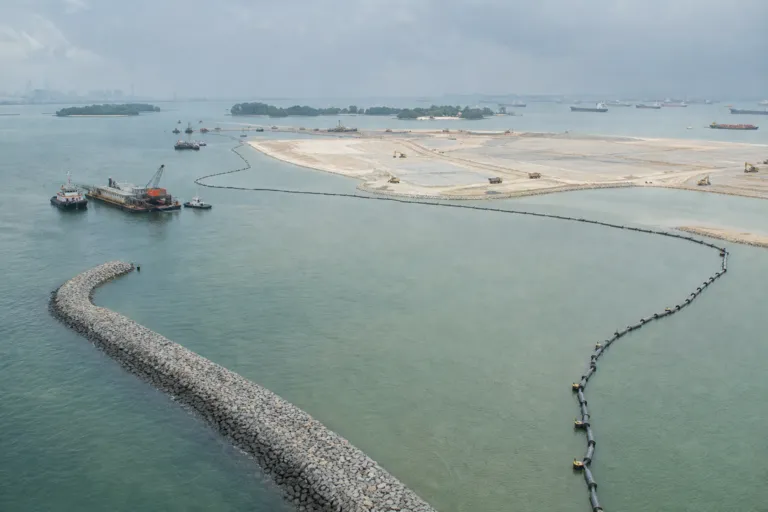
Singapore is studying a long-term plan to merge several southern islands into a larger “western island” over the coming decades. Prime Minister Lawrence Wong announced the intention at the 2026 National Day Rally on Aug 23, framing it as a move to create space for a new generation of industries, power generation infrastructure and defence needs. The islands mentioned include Pulau Semakau, Pulau Bukom and Pulau Sudong, along with a few smaller islands south of Jurong Island. The Government has said it will study the reclamation plan carefully, because land choices involve trade-offs in a city-state where space is needed for homes, jobs, transport and infrastructure.
The plan draws explicitly on the example of Jurong Island, which was formed by progressively joining several offshore islands through land reclamation to make way for Singapore’s petrochemical industry. Mr Wong described Jurong Island as a global energy and chemicals hub and said the investment delivered lasting benefits, including creating many good jobs, anchoring important industries and making Singapore a critical node in global energy flows. He also linked those benefits to energy security and resilience, citing disruptions in the Middle East as a recent reminder of why resilience matters. In his telling, the proposed “western island” is a similar act of long-range planning, intended to build options for future generations.
What Semakau, Bukom and Sudong Bring to the Proposed New Landmass
The cluster of islands singled out at the rally already hosts key national functions today. Semakau houses Singapore’s only offshore landfill. Bukom is where Singapore’s first refinery still operates. Pulau Sudong has an airstrip that the Singapore Armed Forces uses during emergencies. The proposed merger would bring these separate sites into a single, larger footprint, with space planned for the SAF as part of the concept. This is also where the keyword topic—Singapore southern islands merger new island Semakau Bukom—has practical meaning: it is about combining distinct, working islands into one platform that can be planned as a system rather than managed as separate pieces.
Importantly, the Government has positioned the future island as broader than petrochemicals. Mr Wong said the new island would not just be for petrochemicals and could support a new generation of industries, including advanced manufacturing facilities. He also said it could accommodate new power generation infrastructure to meet Singapore’s future needs. The plan was described as long-term and still under careful study, with the Government assessing development and infrastructure requirements over the coming decades before decisions are made on how the land should be formed and used.
The wider context presented at the rally was Singapore’s need to keep expanding options despite land constraints and a lack of natural resources. In the same discussion, Singapore’s exploration of clean energy sources, including nuclear power, was referenced as part of strengthening energy security in a more volatile global landscape. Singapore has not decided on deploying nuclear power and will undergo an assessment by the International Atomic Energy Agency from 2027 to gauge readiness to make an informed decision. Singapore has also been building capabilities across 19 areas identified by the IAEA as necessary for establishing a nuclear power programme, including evaluating and developing suitable sites for nuclear installations with safety requirements in mind.
Which islands may be merged into Singapore’s new western island?
What is the purpose of the proposed southern islands merger?
How does Jurong Island relate to the Semakau-Bukom-Sudong plan?
What existing functions are located on Semakau, Bukom and Sudong today?
What does the keyword topic mean for the Singapore southern islands merger and new island around Semakau and Bukom?