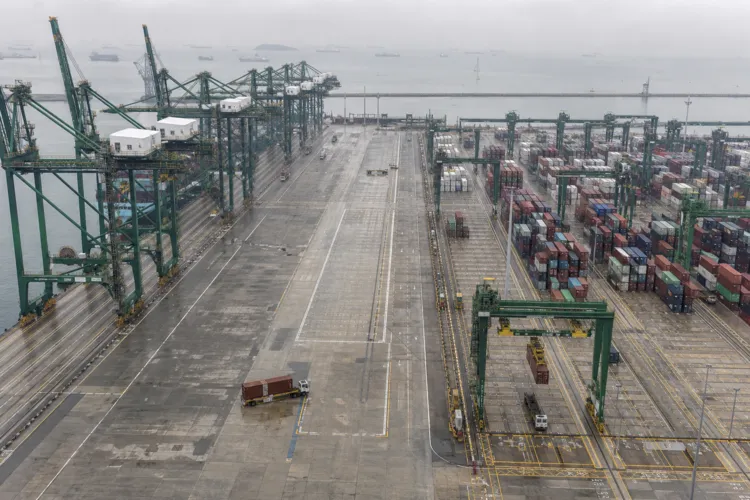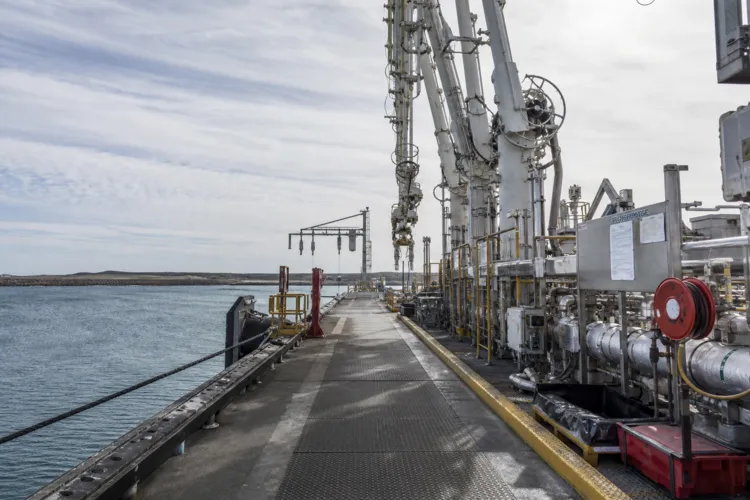
Singapore is moving away from a city-fringe container terminal model toward a single mega hub at Tuas. The Maritime and Port Authority (MPA) has said PSA expects to move operations from Tanjong Pagar, Keppel, and Brani to Tuas by 2027, and later consolidate Pasir Panjang there by the 2040s. This logistics reset is not just a terminal relocation. It changes how transport planning, consolidation, and distribution can be organized when a large share of container moves are no longer split across multiple waterfront sites near the central area.
The Tuas Port project is framed around consolidation and automation at scale. It officially opened on September 1, 2022, after the first two berths opened in December 2021. Phase 1 alone is set to run 21 deep-water berths handling 20 million TEUs a year when fully operational in 2027. That timeline matters for companies structuring their networks around the Singapore PSA Keppel Distripark merge toward Tuas in 2027, because it clarifies when the new capacity and operating model is expected to support the relocated volumes.
What Centralisation at Tuas Changes for Logistics Networks
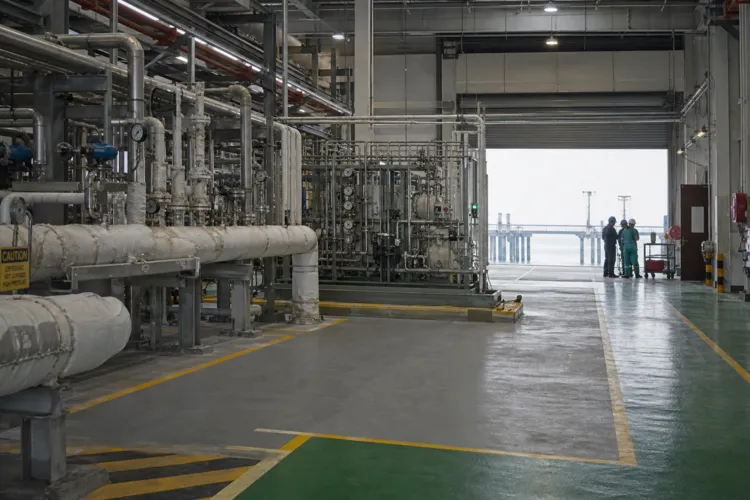
Centralisation strengthens the case for integrated, end-to-end execution, where the container, documentation, and downstream moves are treated as one connected system. One source describes Tuas as “digitalised and smart, and integrated with the wider supply chain network,” and MPA frames it as a terminal where cargo, paperwork, customs clearance, and downstream logistics move through one connected system. For logistics teams, the operational implication is simpler routing logic around one main container node, while also needing to re-map inland staging and cross-dock decisions to fit the new geography.
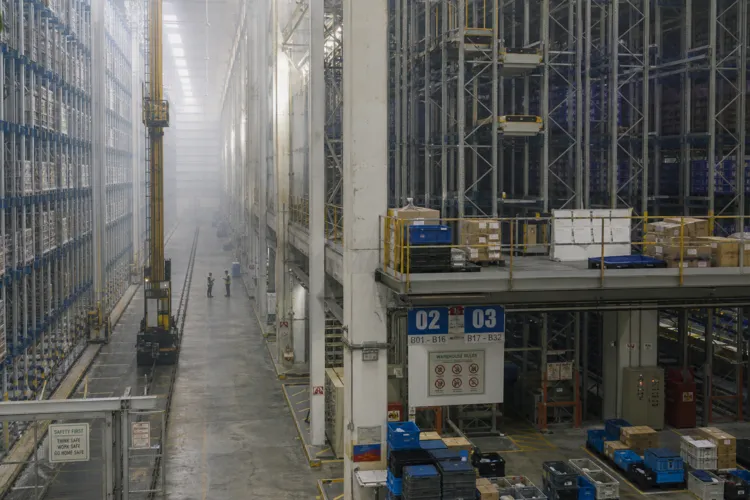
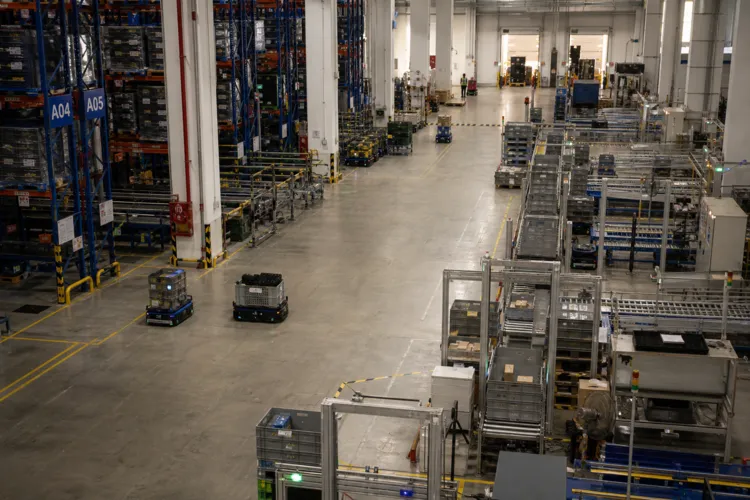
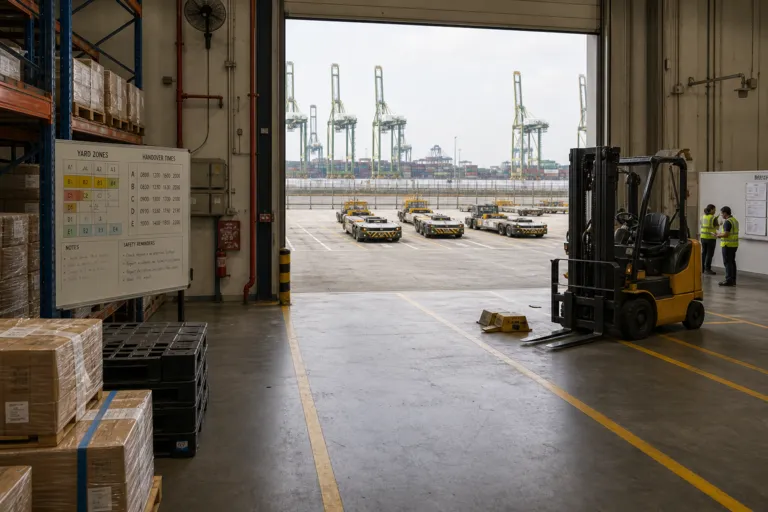
The longer-term capacity envelope is also clearly signposted across sources. Tuas is designed with a planned annual capacity of 65 million TEUs once completed in the 2040s, and it is being developed in four phases. Another description says the port covers more than 1,300 ha and features 66 berths with 26 km total berth length. The buildout is tied to an automation-heavy model, including electrified Automated Guided Vehicles (AGVs) and remote-controlled quay and yard cranes. These design choices align with the market context described by Mordor Intelligence, where the Singapore freight and logistics market is projected at USD 24.53 billion in 2025 and USD 26.11 billion in 2026, reaching USD 35.37 billion by 2031 at a 6.26% CAGR from 2026 to 2031.
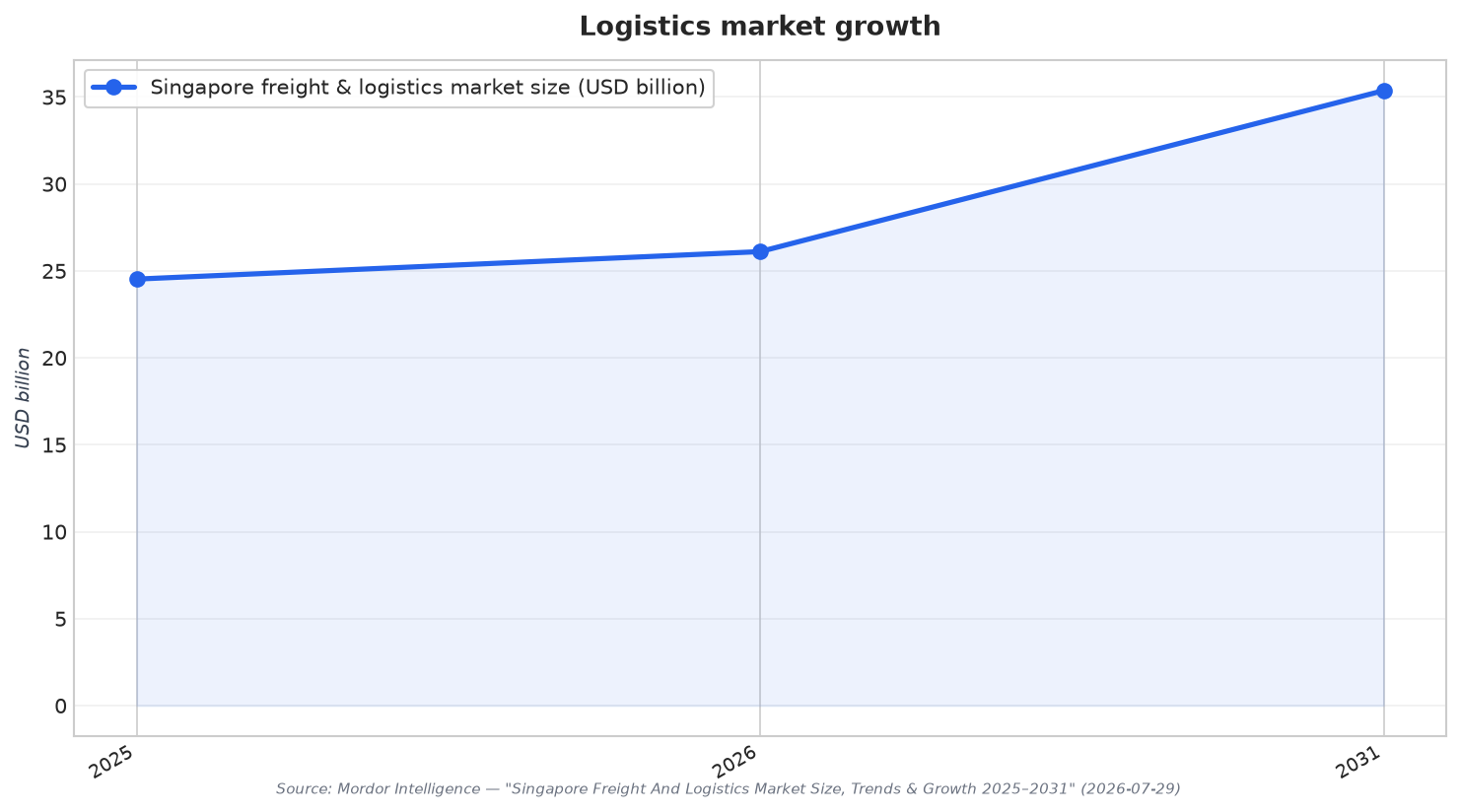
The relocation and expansion sit inside a broader demand and throughput picture. Mordor Intelligence notes container throughput expanded to 39.47 million TEU in 2024, helped by vessel diversions from the Red Sea, and links Tuas to automated capacity intended to lower unit costs and enhance schedule reliability. The same report states freight transport led with 61.26% of market share in 2025, while courier, express, and parcel is forecast to grow at a 7.20% CAGR between 2026 and 2031. As city terminals give way to Tuas, shippers and forwarders can treat the port move as a trigger to revisit where to place inventory buffers, how to time consolidation, and how to design resilient flows through a single, centralised container gateway.
When will PSA move Keppel and Brani terminal operations to Tuas?
What capacity is Tuas Port planned to reach when fully completed?
What is expected for Phase 1 capacity and timing at Tuas?
How does the Singapore PSA Keppel Distripark merge toward Tuas in 2027 reshape logistics planning?
What recent container throughput figure is cited for Singapore, and what is the context?