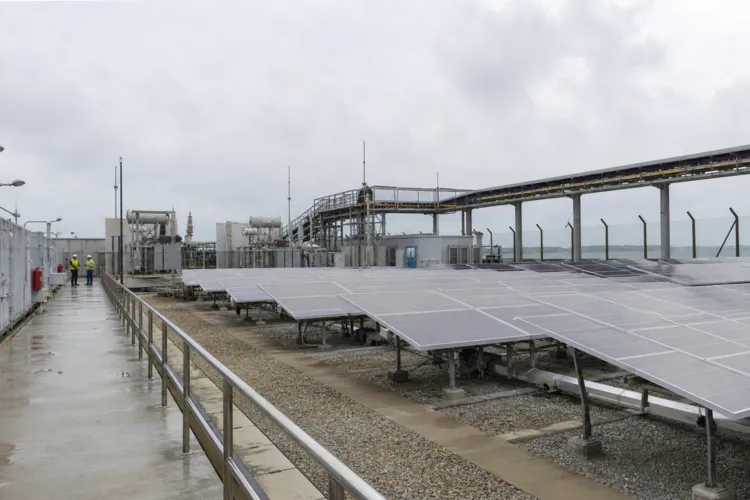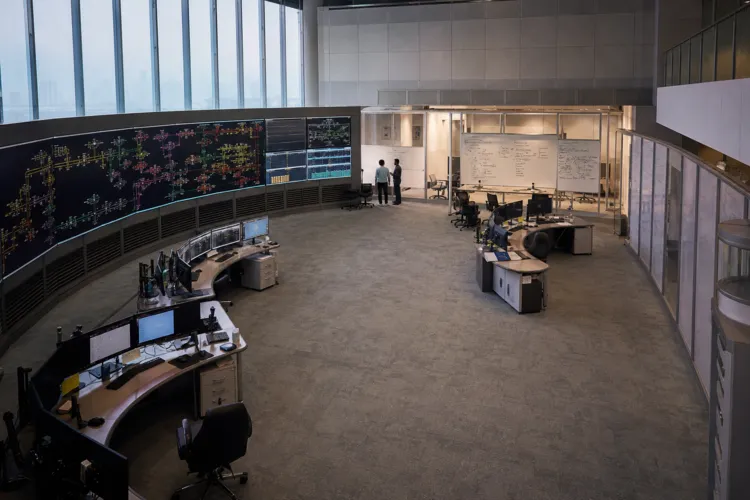
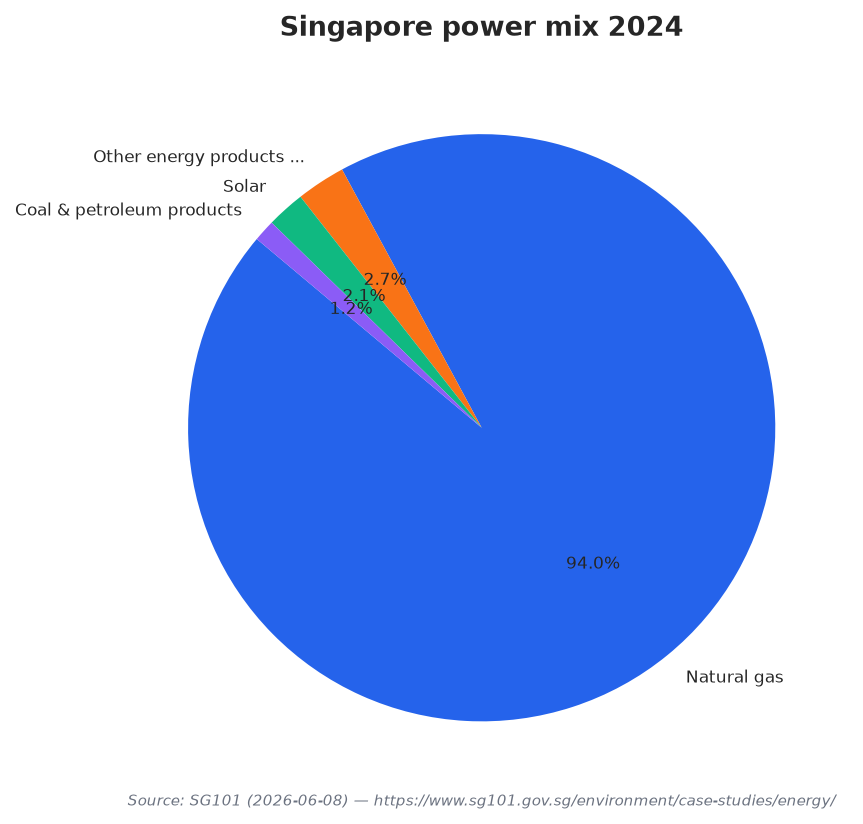
Singapore’s power mix still leans on natural gas because the country has no significant energy resources of its own and depends heavily on imports to meet domestic needs. Government-linked material notes that more than 95% of Singapore’s electrical supply comes from natural gas, supplied mainly through pipelines from Malaysia and Indonesia, alongside liquefied natural gas (LNG) imports. In 2024, natural gas accounted for 94% of Singapore’s energy mix, while solar energy accounted for 2.1%, and other energy products such as municipal waste, biomass, and imports accounted for 2.7%, with coal and petroleum products making up the balance of 1.2%.
This reliance is also tied to steadily rising energy use and output. In 2024, Singapore used 10,533 kilotonnes of oil equivalent (ktoe) of energy to generate a gross electricity output of 5,126 ktoe. The same “energy trilemma” framing—energy security, economic competitiveness, and environmental sustainability—helps explain why gas remains central even as Singapore looks for alternatives. With high dependence on energy imports, especially LNG, Singapore has little control over energy prices, and LNG prices can closely track oil prices due to contracts that link LNG to oil.
Why Energy Security Still Points Back to Gas
Energy security concerns reinforce the status quo. Singapore’s pipeline reliance creates a “lack of diverse energy sources,” and six existing gas contracts with Indonesia and Malaysia were due to expire between 2018 and 2029, with no guarantee of renewal. That risk is a key reason Singapore expanded its supplier base by developing LNG infrastructure. Singapore opened its first LNG terminal in 2013 to import LNG from around the world and store it locally, and plans are underway to construct a second LNG terminal in the east. Separately, the Ministry of Trade and Industry states that the Singapore LNG (SLNG) Terminal has been operating since May 2013, and that a second LNG terminal is being developed offshore at Jurong Port using a floating storage and regasification unit (FSRU) vessel with a regasification capacity of 5 million tonnes per annum (mtpa).
Even as diversification efforts expand, official messaging remains clear that natural gas will remain a key energy source while other low-carbon sources scale up. The Ministry of Trade and Industry states that around 95% of Singapore’s electricity is currently generated using imported natural gas and that gas continues to play an important role in maintaining energy security. The system is also being reshaped institutionally: GasCo was established in April 2025 to centralise the procurement and supply of natural gas to the power sector in Singapore. This kind of centralisation is positioned as a practical response to procurement complexity in an import-dependent system.
What comes next includes more gas capacity alongside limited near-term contributions from alternatives. A 2026 analysis reports that five new gas-fired power plants announced by the Energy Market Authority (EMA) will increase Singapore’s electricity generation capacity by approximately 26% from the current 12 GW. The same source reports Singapore’s peak electricity demand was 8.6 GW in August 2026 and is projected to climb to between 9.9 GW and 13 GW by 2031. In parallel, cross-border renewable electricity is discussed as a partial option: one framework is described as allowing up to 200 MW of renewable electricity to Singapore currently, while a consultancy view cited in that analysis suggests imports may meet only 15% of Singapore’s power needs by 2035, compared with a stated “one-third goal.”
How strong is Singapore’s natural gas electricity dependence around 2026?
What does Singapore’s 2024 energy mix show about diversification?
Why is Singapore investing in LNG infrastructure?
What is planned for Singapore’s second LNG terminal?
How much could new gas plants add to Singapore’s generation capacity?