
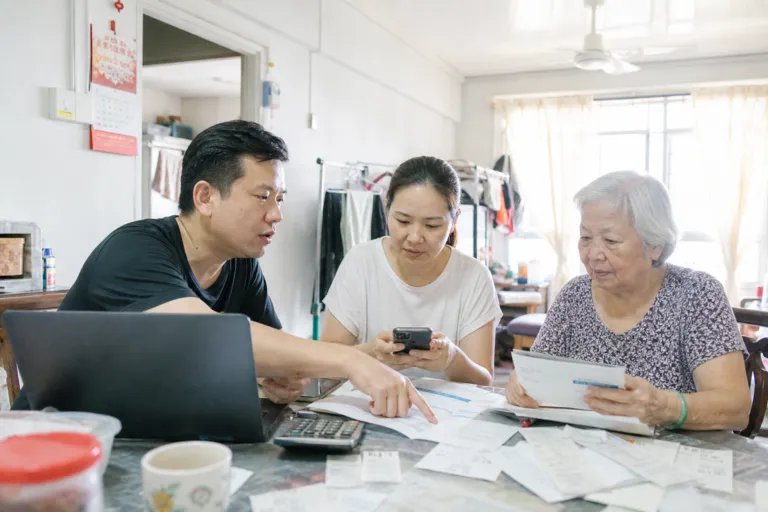
Singapore’s cost pressures in 2026 have been described as a paradox: relatively mild inflation can still feel painful when the biggest items in a household budget rise faster than the average. One January 2026 case study put inflation at 1.2% while stating that 60% of workers live paycheck to paycheck. Another view pointed to Singapore’s official consumer price index showing headline inflation of 2.4% for 2025, while arguing that households heavily exposed to housing and food can feel an “effective” inflation rate that runs 2–3 percentage points above the headline figure. Against that backdrop, the Singapore Budget 2026 cost of living payment and related support measures matter less as slogans and more as cashflow relief that arrives on specific timelines.
Policy intent is clear in the Monetary Authority of Singapore’s Macroeconomic Review (April 2026). It noted that Budget 2026, announced in February 2026, “continued to provide support to help households manage cost-of-living pressures.” It highlighted broad-based additional Community Development Council (CDC) Vouchers for all Singaporean households, alongside targeted support such as U-Save rebates. The same review also framed Budget 2026 as addressing “potential distributional tensions associated with economic growth,” pointing to strengthened targeted support for low-income households via ComLink+, higher means-tested preschool subsidies for young families, and CPF top-ups to Singaporeans aged 50 and above with retirement savings below the Basic Retirement Sum.
What Households Get: Cash, Utilities Relief, and Child Credits
DBS’s Budget 2026 summary set out the most concrete “who, how much, and when” details. Eligible Singaporeans earning up to S$100,000 in assessable income and who do not own more than 1 property will receive S$200 to S$400 in cash in September 2026, benefiting about 2.4 million Singaporeans. The actual amount depends on income earned in 2024 and the annual value of the place of residence. On top of cash, eligible HDB households will receive up to S$570 in utilities rebates in 2026, described as 1.5 times the regular amount of U-Save rebates. The rebates will be credited to households’ utilities accounts with SP Services and were described as covering about 5 months of utilities expenses for those living in 1- and 2-room flats and about 2 months for those in 3- and 4-room flats, cushioning higher utilities bills linked to an increase in the carbon tax from 2026.
For families, Budget 2026 also included Child LifeSG credits of S$500 for each eligible child aged 12 or younger. DBS stated these credits will be given in July (for children born between 2014 and 2025) and in April 2027 (for those born in 2026). The credits can be accessed through the LifeSG mobile app and used at physical or online merchants that accept PayNow QR or NETS QR. The through-line across these measures is usability: cash supports general expenses, utilities rebates reduce recurring bills directly through SP Services accounts, and child credits are designed to be spent across a wide merchant base that supports common QR payment rails.
Why this matters shows up in the gap between headline indicators and lived budgets. One report described resale HDB flat prices increasing by an average of 7–9% in 2025 in popular mature estates, while private rental prices were said to remain 35–45% above 2020 levels even after moderating from 2023 peaks. It also cited hawker centre food prices rising 18–22% since 2021. At the same time, it referenced the Ministry of Manpower’s Occupational Wages Survey for 2025 showing median monthly nominal salaries rising about 3.8% versus 2024, with increases for the bottom half of earners in the 3–5% range. Budget 2026’s mix of broad and targeted support does not erase those pressures, but it can soften the month-to-month squeeze when key bills land.
How much is the Budget 2026 cost-of-living cash payment, and when is it paid?
How many people are expected to benefit from the 2026 cash support?
What U-Save support is included, and how is it delivered?
What are Child LifeSG credits in Budget 2026, and who gets them?
Why do some households still feel stretched even when headline inflation is modest?