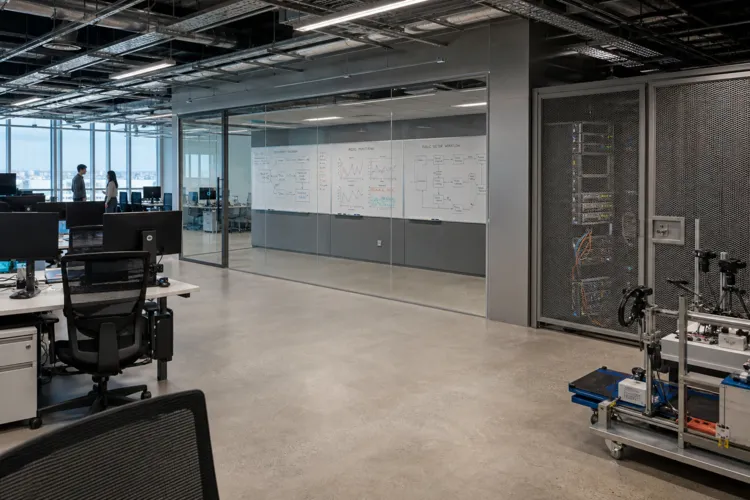

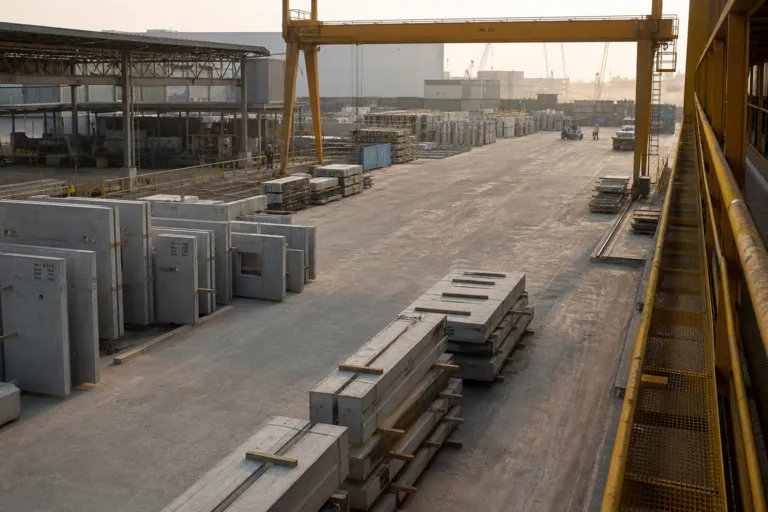
Singapore’s construction upswing has already produced a standout year. Total construction demand reached an estimated S$50.5 billion in 2025, described as the strongest year for the sector in a decade. For 2026, the Building and Construction Authority (BCA) expects construction demand to remain elevated at S$47 billion to S$53 billion in project awards. The market backdrop has also reflected this momentum. SGX noted the construction sector grew 11.8% year on year in Q1 2026, with advance estimates indicating a further 6.2% growth in Q2 2026. Together, these figures frame 2026 as a high plateau rather than a quick rebound.
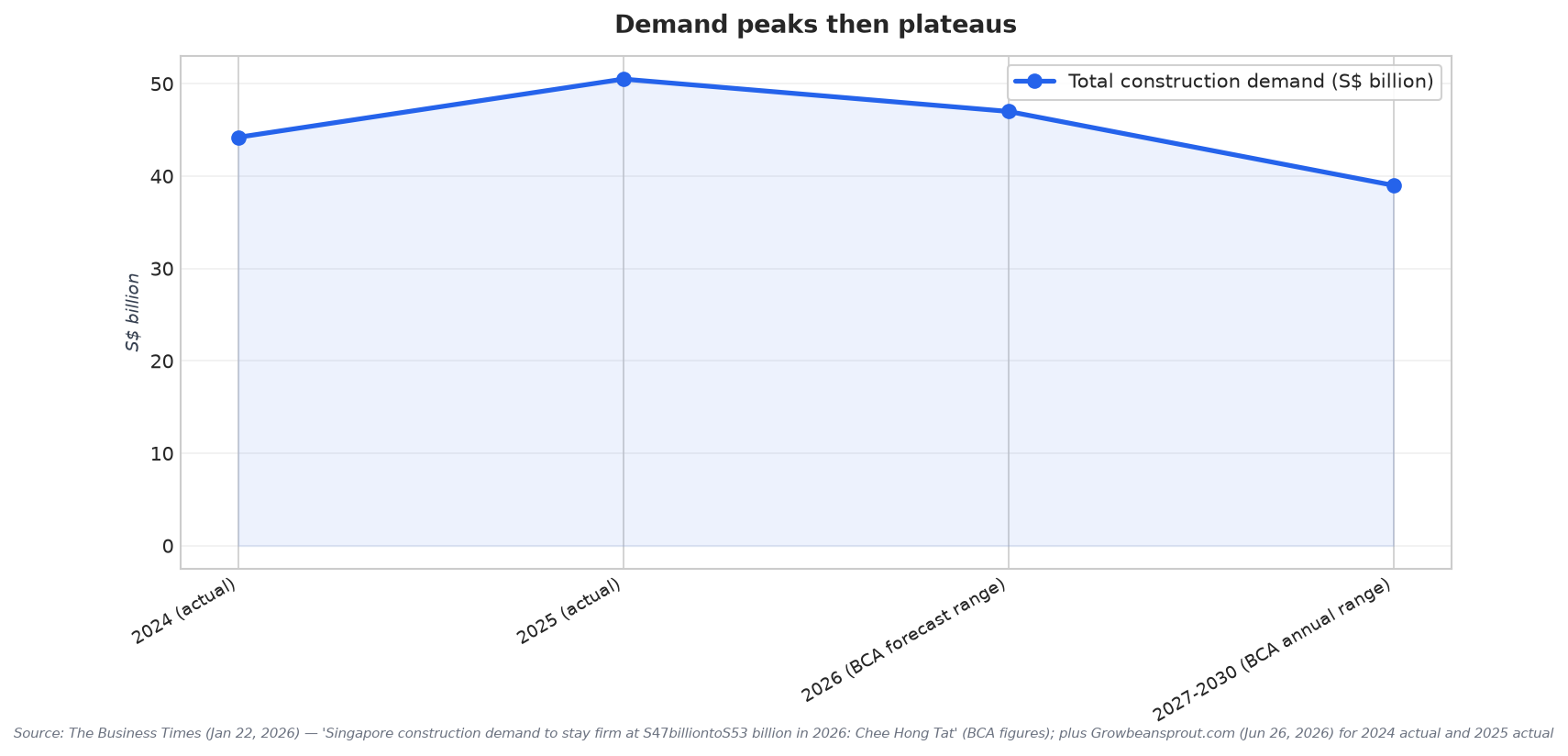
The key question is what happens after the peak. Here, the Singapore construction demand forecast for 2027-2030 matters more than the headline year. BCA projects annual construction demand ranging from S$39 billion to S$46 billion for 2027 to 2030. Multiple sources repeat the same range, positioning it as the base case for the later decade. This is lower than 2025 and the 2026 forecast band, but it still indicates a sustained pipeline rather than a cliff-edge drop. It also fits the narrative that the current upcycle is being supported by many concurrent public and private projects, not a single narrow segment.
What’s Holding Up Demand After the Peak
Project breadth is the stabiliser. Public sector projects account for about 55% of total demand, with major works cited across aviation, rail, ports, and housing. Examples repeatedly highlighted include Changi Airport Terminal 5, the Cross Island Line, Tuas Port, and new HDB flats. SGX also pointed to a wide pipeline spanning airports, rail infrastructure, healthcare facilities, housing, utilities, commercial developments, and digital infrastructure, naming the Marina Bay Sands expansion, the new Tengah General and Community Hospital, and extensions for the MRT network’s Downtown Line 2 and Thomson-East Coast Line. The implication for the rest of the decade is continuous handoffs between large programs, helping to keep annual awards elevated.
The composition of demand in 2025 and the expected mix in 2026 also show how the cycle has diversified. In 2025, institutional and other projects accounted for S$16.1 billion, followed by public housing at S$9.5 billion and civil engineering at S$9.3 billion. Industrial projects contributed around S$7.1 billion, private residential projects S$6.2 billion, and commercial projects S$2.2 billion. For 2026, BCA expects institutional and other projects at around S$13.5 billion to S$15 billion, commercial projects to more than double to S$6.1 billion to S$6.7 billion, and civil engineering projects to rise to S$11.6 billion to S$13.4 billion. Public housing is projected at S$6.8 billion, private housing at S$5 billion to S$5.5 billion, and industrial at S$4.6 billion to S$5.4 billion.
Still, policymakers and analysts caution against assuming the peak can last indefinitely. Minister for National Development Chee Hong Tat flagged potential resource constraints if the industry continues “business as usual,” warning this could adversely impact the ability to seize new growth opportunities. BCA also noted that Changi T5 is a one-off project, so industry demand could moderate following its completion. That makes the 2027-2030 range a practical planning anchor: a lower band than the peak years, but one supported by a visible portfolio of transport, healthcare, housing, and commercial developments that can keep the construction value chain active across materials, engineering, logistics, equipment, and professional services.
What does BCA project for Singapore’s construction demand from 2027 to 2030?
How strong was construction demand in 2025 and what is expected for 2026?
Which segments led construction demand in 2025?
What mix does BCA expect for key segments in 2026?
What risks could cause demand to moderate after the peak years?