
Microsoft says it is on track to spend US$5.5 billion in Singapore on cloud and artificial intelligence infrastructure and ongoing operations from 2025 through 2029. The commitment was shared publicly by Microsoft vice chair and president Brad Smith during a visit to the city-state, including remarks connected to the ATx Inspire event on April 1. Bloomberg also reported Microsoft pledged the same US$5.5 billion investment through 2029 to support Singapore’s artificial intelligence industry, positioning the city-state as a hub for Asia’s AI development. Across sources, the message is consistent: this is a multi-year buildout meant to support both infrastructure and adoption.
For readers tracking the Singapore Microsoft AI cloud investment 2026 story, the timeline matters as much as the headline number. HPCwire describes the plan as running “from 2025 until the end of 2029,” and notes the spend is aimed at powering Singapore’s AI future via cloud and AI infrastructure and operations. Capacity adds that Microsoft’s plan also covers skills training and cybersecurity, tying technical buildout to workforce readiness and resilience. In the same vein, Smith said Microsoft is focused on helping people and organizations use AI by strengthening skills, increasing cybersecurity and resilience, and advancing trusted governance.
From Data Center Capacity to Renewable Power: The Infrastructure Layer
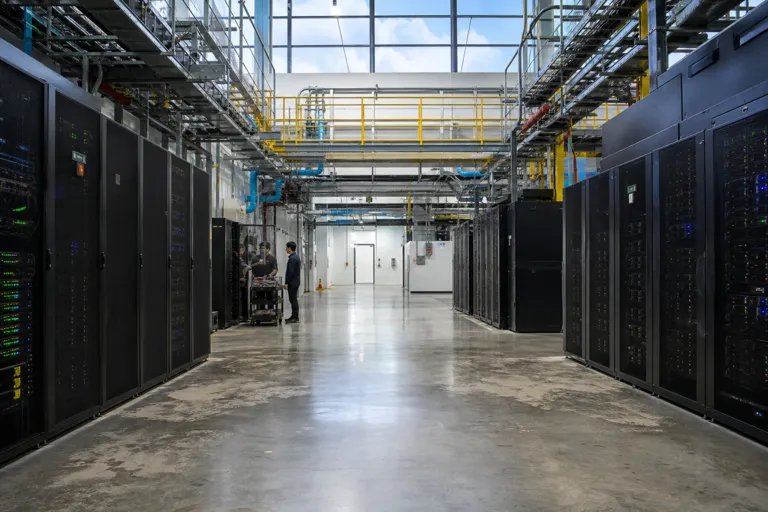
Some of the clearest infrastructure signals sit in Singapore’s data center policy and power contracting. DataCenterDynamics reports that Microsoft was selected as one of four operators given 80MW of IT capacity for new data centers in Singapore in 2023, as the city-state moved to end a years-long moratorium on new developments. It also notes that in 2024 Microsoft signed a 20-year power purchase agreement (PPA) with EDP Renewables for power from the 200MWp SolarNova 8 project, which places solar panels on building rooftops. Together, these details show how capacity allocation and longer-term energy arrangements can underpin cloud and AI infrastructure expansion.
Microsoft is also attaching broad access programs to the infrastructure push, aiming to create hands-on familiarity with AI tools. AI Business reports a plan to make Microsoft 365 Premium with Copilot free for 12 months to every higher education student in Singapore, with an estimate that more than 200,000 people would benefit. The same source says Microsoft is expanding its Elevate for Educators program to Singapore, describing the initiative as designed to build confidence among teachers and lecturers in using AI responsibly in the classroom across primary, secondary, and higher education contexts. Microsoft also plans to introduce Elevate for Changemakers to support nonprofits and social impact groups and encourage AI take-up in their communities.
The Singapore pledge also sits within a broader regional pattern, but the numbers must be kept separate by geography. Capacity and AI Business both point out that Microsoft announced an additional plan to invest more than US$1 billion in Thailand, revealed shortly before the Singapore commitment. That contrast highlights how Microsoft is describing “sovereign AI” investments worldwide while tailoring commitments by market. In Singapore, the core facts remain the same across reports: the US$5.5 billion target through 2029 is focused on cloud and AI infrastructure and ongoing operations, alongside skilling efforts meant to support trusted, practical AI adoption across education and civil society.
How much is Microsoft planning to invest in Singapore’s cloud and AI efforts through 2029?
What is included in the Singapore Microsoft AI cloud investment 2026 story besides infrastructure?
What data center capacity figure is tied to Microsoft in Singapore?
What renewable power agreement is mentioned in relation to Microsoft’s Singapore infrastructure?
How many people could benefit from the 12-month student offer mentioned in the sources?