
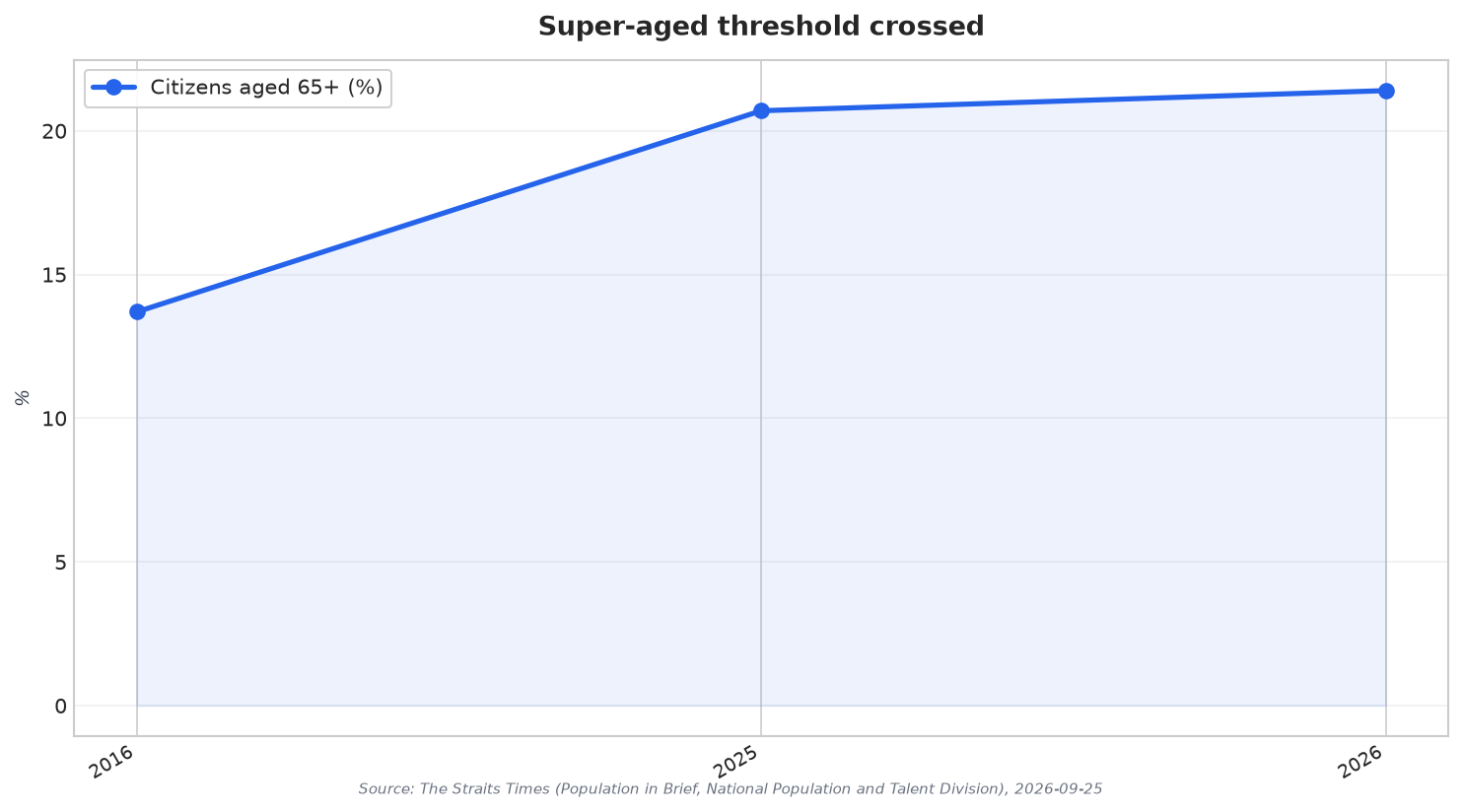
Singapore entered a new demographic era in 2026. The citizen population aged 65 and older reached 21.4%, up from 20.7% in 2025 and 13.7% a decade earlier. This crosses the United Nations definition of a super-aged society, where 21% or more of the population is aged 65 and above. The change did not arrive with a single dramatic moment, but it brings a “real and profound impact” that the Ministry of Health says it feels strongly across hospitals, emergency departments, and nursing homes. In practical terms, the healthcare system must be ready for more seniors, more complex needs, and heavier daily operational pressure.
The shift is not only about the 65+ group. Singaporeans aged 80 and older increased to 152,000 in 2026, up from 145,000 in 2025, and that is a 60% jump from a decade ago when there were 95,000 citizens in this band. At the same time, the working-age share (20 to 64) fell to 59.3% in 2026 from 64.3% in 2016. The ratio of working-age residents to elderly residents aged 65 and older dropped from 5.4 in 2016 to 3.2 in 2026. This matters for healthcare because a smaller base of working-age adults supports more care needs, both within institutions and through family caregiving.
What This Demographic Milestone Forces Healthcare to Do
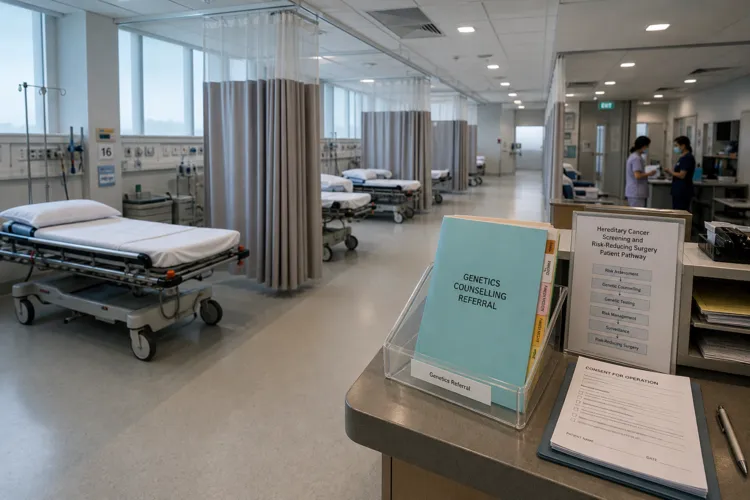
Policy attention is now centered on sustaining and transforming healthcare. The Health Minister has framed the super-aged transition as the point when “the most complex task” is to keep the system affordable while meeting rising demand. Expansion is part of the plan. The Ministry of Health set a target of adding 2,800 more public acute and community hospital beds between 2025 and 2030, and said it is on track. But expansion also increases costs, and the Minister warned that if spending is not managed carefully, rising healthcare spending can strain public finances and household budgets. That is why cost control is presented as a national priority, not just a hospital management issue.
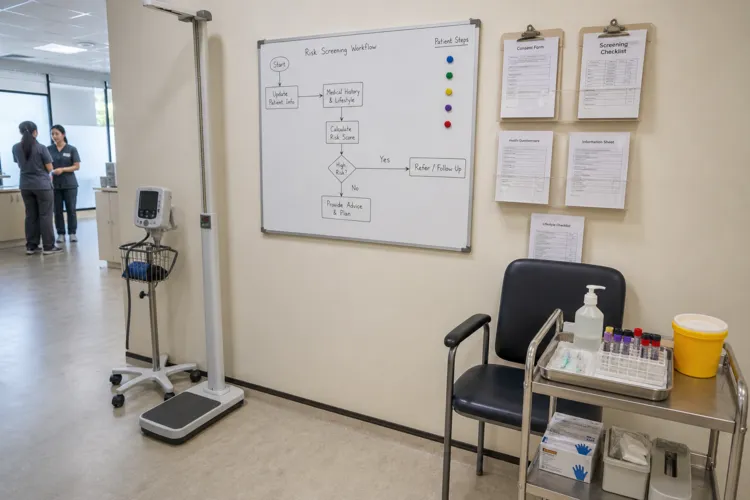
Transformation also means shifting how care is delivered and how risk is identified earlier. Sociologists cited steps such as reforming healthcare toward preventive care and expanding care beyond hospitals. In the same direction, MOH developed an AI-enhanced risk assessment tool for health screenings adapted to Singapore’s local context. The Minister said the model focuses on diabetes and high cholesterol because they are key drivers of strokes and heart attacks, which “affect 60 Singaporeans every day.” This is where the Singapore super-aged society 2026 healthcare challenge becomes concrete: more seniors, more pressure on acute care, and a stronger need to reduce avoidable deterioration through earlier detection and system redesign.
Looking ahead, official projections suggest that more than one in four citizens will be aged 65 and above by 2035. In parallel, the median age rose from 43.7 in 2025 to 44.1 in 2026, reinforcing that ageing is not a temporary spike but a continuing shift. The operating assumption for healthcare therefore changes: the system must serve a larger older population while the working-age share remains lower than a decade ago. The policy direction described across sources points to a twin approach—build capacity like beds for near-term demand, while redesigning prevention, screening, and out-of-hospital support to keep the national healthcare bill under control as Singapore grows older.
What makes Singapore a super-aged society in 2026?
How fast did the 65+ share rise before 2026?
What capacity expansion did MOH set for hospitals?
What does the working-age to elderly ratio tell us about care pressure?
In the Singapore super-aged society 2026 healthcare context, why is MOH using an AI screening tool?