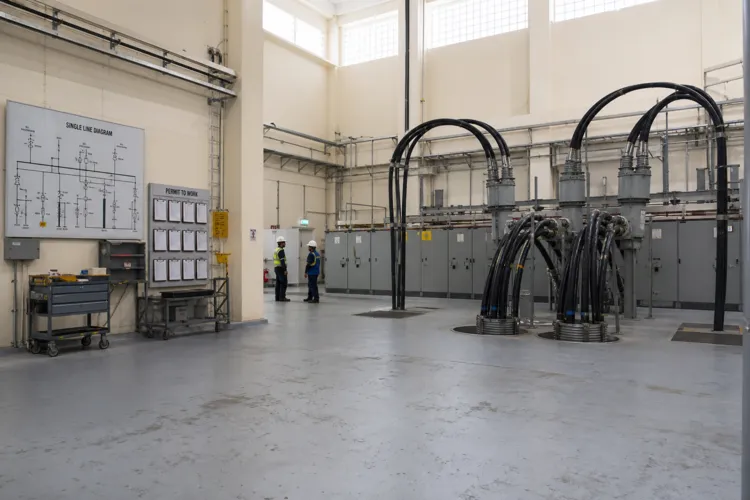

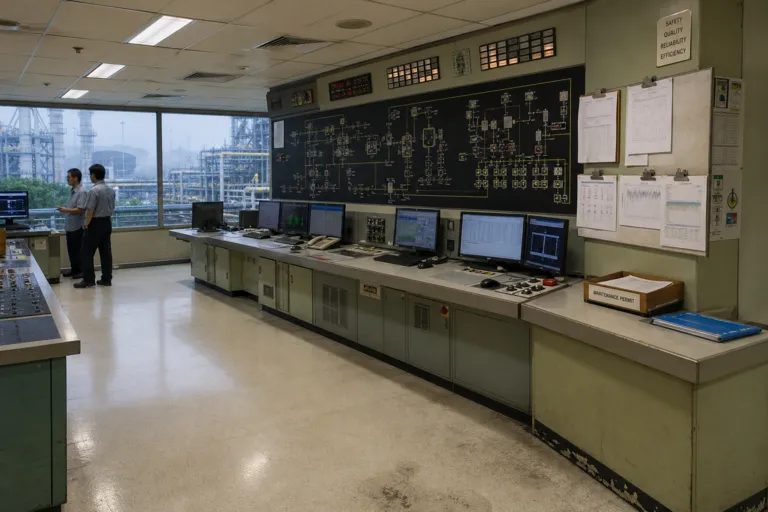
Singapore’s Energy Market Authority (EMA) has awarded Tuas Power Generation Pte Ltd the right to build, own, and operate a new Combined Cycle Gas Turbine (CCGT) generating unit. The unit is expected to provide 670 megawatts (MW) of new power generation capacity and be ready for commercial operations by December 2031. EMA framed the award around the need to plan ahead as electricity demand grows, and positioned the new plant as part of safeguarding Singapore’s energy security. In practical terms, EMA said the installed capacity of 670 MW could meet the annual electricity demand of up to about 1.2 million four-room HDB households.
The award followed a request for proposals (RFP) launched by EMA in April under its centralised process for selecting new generation capacity. The purpose of that centralised tender mechanism is straightforward: ensure Singapore has sufficient capacity to meet future electricity needs. In EMA’s own messaging, the continued industry support for these RFPs reflects a shared commitment to keep the system reliable as demand rises. EMA also emphasized that planning is critical as electricity demand grows, especially for the expansion of energy-intensive sectors that require firm supply.
Demand Growth Is the Core Driver Behind the Award
EMA’s demand outlook provides the clearest rationale for why the tender matters now. According to EMA, Singapore’s electricity demand is projected to grow by 2.4% to 4.8% annually over the next decade. By 2031, peak electricity demand is projected to reach between 9.6 gigawatts (GW) and 11.4 GW. EMA linked that growth to strong economic growth, transport electrification, and the expansion of energy-intensive sectors such as semiconductor manufacturing and data centres. Against that backdrop, a new 670-MW unit is a targeted way to add firm capacity on a clear commissioning timeline.
EMA and industry coverage also underlined why a gas-fired CCGT was chosen in the tender. EMA’s Chief Executive Puah Kok Keong said CCGTs powered by natural gas will provide reliable baseload power, while Singapore pursues diverse pathways to a cleaner energy future. EMA also described Tuas Power’s unit as hydrogen-ready, aligning the new asset with the authority’s broader direction without changing the near-term requirement: dependable capacity that can be delivered when the system needs it. The household-equivalent figure—up to about 1.2 million four-room HDB households annually—adds a concrete yardstick for what 670 MW can mean for system adequacy.
In the context of Singapore new electricity generation capacity Tuas Power 2026, the award is best read as a forward-looking reliability measure rather than a short-term market signal. It was made through an EMA-run, centralised RFP process, and it attaches to a specific, measurable outcome: 670 MW expected online by December 2031. The decision also fits a longer narrative of Singapore’s evolving power market. Separately, an investor commentary noted that with the commissioning of Singapore’s LNG Terminal in 2013, over 3,000 MW additional capacity was added to the electricity supply pool across several plants, and described policy mechanisms introduced around that period. The new EMA award continues the same essential objective—keeping the lights on—while planning for the demand trajectory EMA has published.
Why did EMA award the new generation-capacity tender to Tuas Power?
How much capacity will the Tuas Power CCGT add, and when is it expected to start operations?
What is EMA’s electricity demand outlook for Singapore over the next decade?
How does the awarded capacity translate into household electricity needs?
What does the Singapore new electricity generation capacity Tuas Power 2026 award cover?