
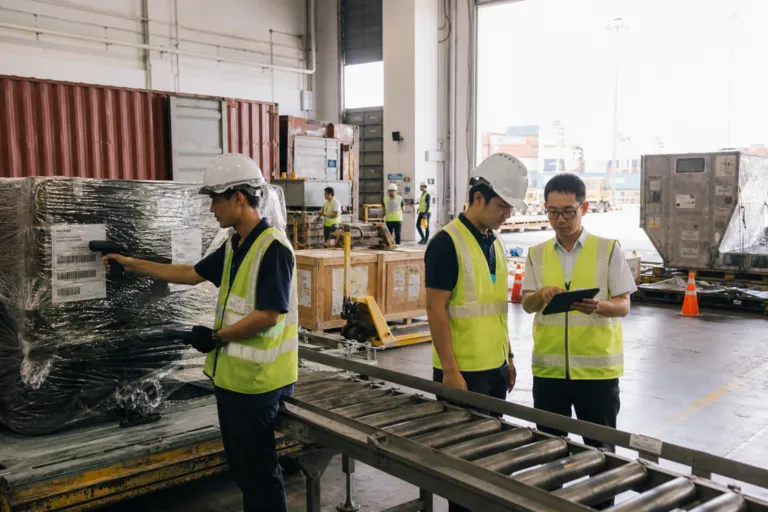
Sea-air transhipment succeeds when ports, air cargo operators, and forwarders act as one system. In Singapore, that system is being pushed toward a clear service target: moving cargo from vessel to aircraft within 24 hours of arrival. PSA Singapore and Cargo Community Network launched OptEModal as a one-stop digital platform to coordinate intermodal handovers, track multimodal shipments, and manage risks during transfers. The platform integrates real-time data streams across PSA terminals in Singapore, ground handlers, and airline partners, creating a digital corridor built for tighter execution and better cargo visibility across the end-to-end supply chain.
This push for faster transit sits inside an economy that is already built around trade and connectivity. Market intelligence citing the U.S. International Trade Administration says Singapore recorded roughly $1 trillion in merchandise trade and $800 billion in services trade in 2024. The same source positions Singapore as a strategic entry point to the ASEAN region, which encompasses over 650 million consumers. It also states that Singapore is Southeast Asia’s foremost air cargo hub, with nearly 7,000 weekly flights operated by close to 100 airlines. For sea-air, those figures matter because frequency and breadth of flights only translate into speed when the seaport-to-airport handoff is planned, synchronized, and visible to all parties.
Why Tuas Matters: Automation, Scale, and Integrated Supply Chain Handling
At the infrastructure layer, PSA’s Tuas expansion is paired with a dedicated supply chain hub. PSA’s Annual & Sustainability Report 2024 states that PSA broke ground on the PSA Supply Chain Hub @ Tuas (PSCH) on 18 October 2024, with completion scheduled for 2027. PSA describes PSCH as integrating eco-friendly, state-of-the-art technologies, including a regional distribution centre, a container freight station, Automated Storage and Retrieval Systems (ASRS), and the Intelligent Warehouse eXchange (iWX). In parallel, market intelligence describes the Tuas Mega Port being built by PSA International and anticipates it will be fully operational in the 2040s, with an annual handling capacity of 65 million TEUs, using automation, AI, and intelligent logistics systems to boost efficiency and cut turnaround times.
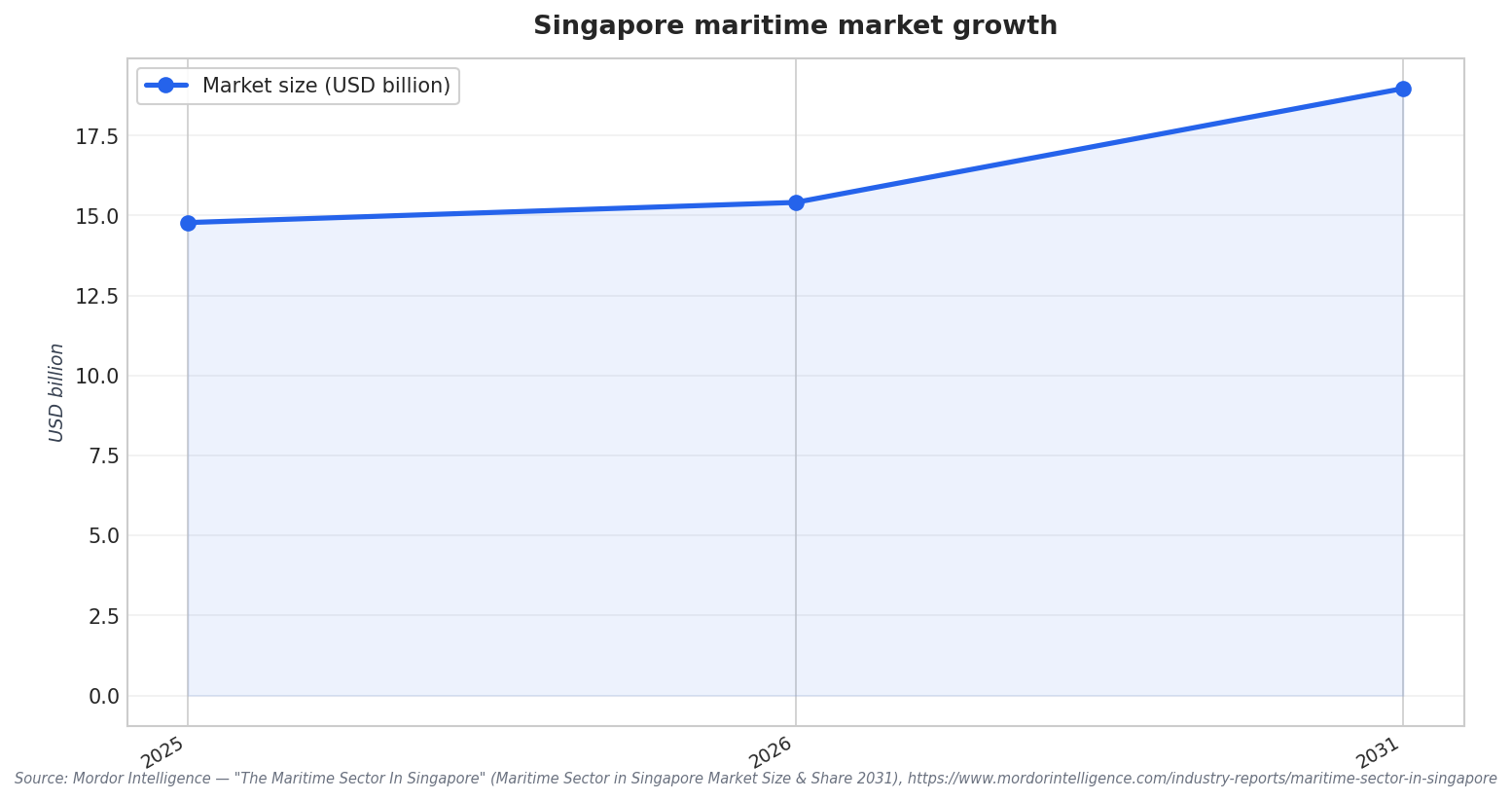
Those investments also respond to the reality of Singapore’s throughput volumes and global volatility. Mordor Intelligence reports container throughput hit a record 41.12 million TEU in 2024, and says about 85% of that volume was transshipment cargo. Logistics Manager reports PSA’s flagship operation in Singapore handled a record-breaking 44.5 million TEUs in 2025, an 8% increase from 2024, and adds that the Tuas hub surpassed the 10-million TEU milestone in early 2025. As shipping schedules face disruption, PSA frames Singapore as a “buffer” hub and leans on digital enablement—explicitly linking platforms like OptEModal to improved sea-air connectivity—so that decision-making and execution can keep pace with surges and rerouting.
For shippers, the story is less about a single tool and more about a connected operating model. OptEModal is positioned as a shared coordination layer that bridges maritime and air cargo stakeholders and supports high-value and time critical industries such as electronics, healthcare, and e-commerce. The Tuas buildout adds a physical backbone designed for integrated handling, from container freight station work to ASRS-enabled storage and exchange through iWX. Together, the PSA Tuas supply chain centre approach aims to reduce friction at every handoff so sea-air can function like a planned corridor—where data, partners, and infrastructure reinforce the same outcome: faster, more predictable transit from ship to plane.
How does OptEModal support sea-air transfers within 24 hours?
What is being built at the PSA Supply Chain Hub @ Tuas, and when is it due?
What is the planned capacity for the Tuas Mega Port?
How large is Singapore’s air cargo network in weekly flights and airlines?
How does the PSA Tuas supply chain centre concept fit Singapore’s transshipment role?